
Traditions
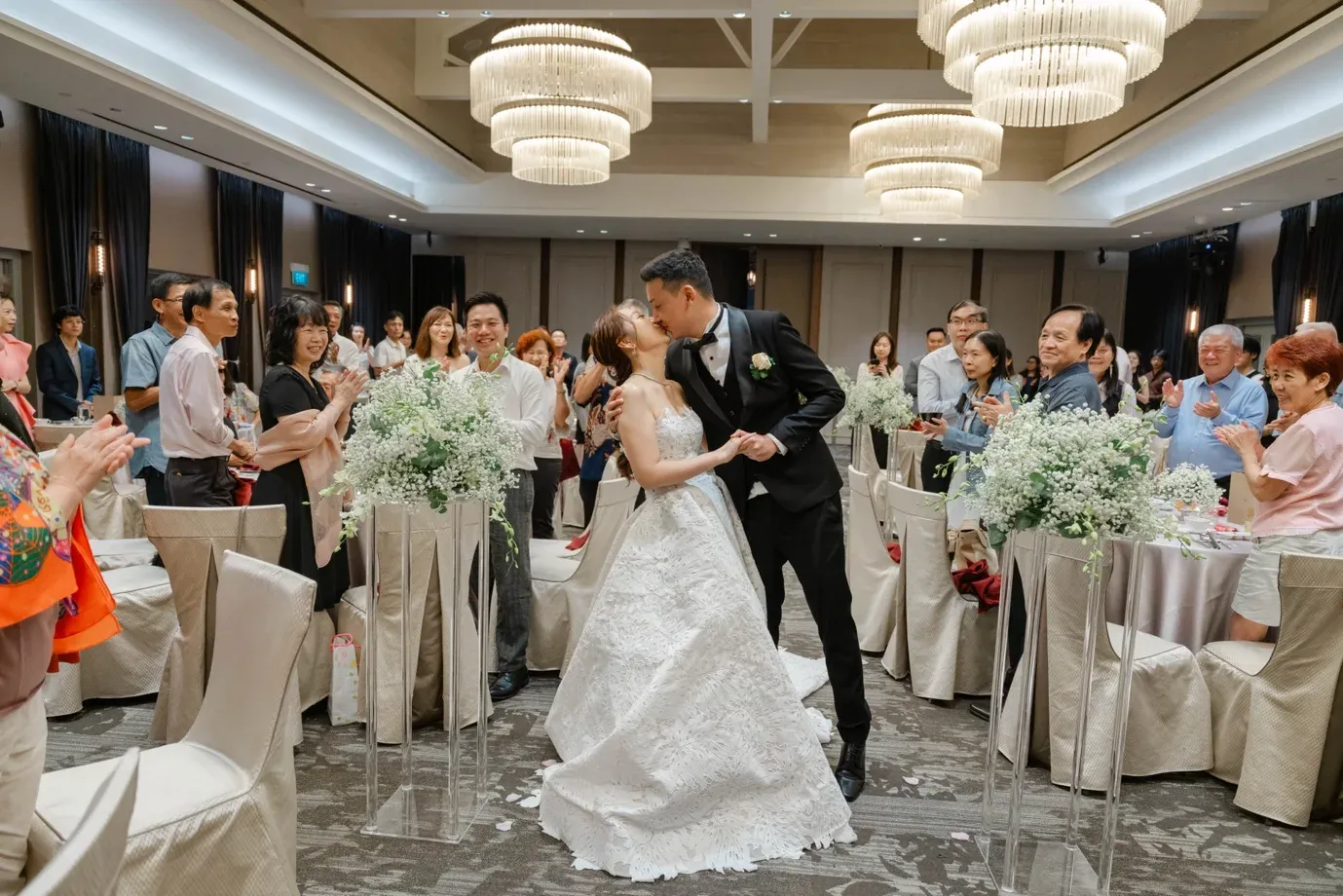
There is no compulsory amount — but there is a sensible way to work one out. How to estimate an ang bao for hotel, restaurant, lunch, church and solemnisation weddings.
You’ve received a wedding invitation. Then comes the Singaporean question: “How much ang bao should I give?”
There is no compulsory amount. A wedding ang bao is ultimately a blessing and a gift to the couple. However, many guests use the estimated banquet cost per person as a starting point.
How do I calculate my wedding ang bao?
A simple approach is:
Estimated table price ÷ number of guests per table = approximate cost per guest
For example, if a banquet table costs approximately S$2,000 for ten guests, the estimated cost is around S$200 per guest. You might therefore give around S$200, or slightly above, depending on your relationship with the couple.
Lunch vs dinner
Wedding lunches are often priced differently from dinners, so ang bao expectations may differ. Weekend and premium-date celebrations may also have different banquet pricing.
Hotel vs restaurant weddings
Luxury hotel wedding banquets generally command higher prices than casual restaurants or smaller venues. Rather than relying on a universal ang bao number, check the venue and type of celebration.
Attending as a couple
If two people are attending, your ang bao should generally reflect two seats rather than one. For example, if you estimate approximately S$200 per person, a couple may consider around S$400 or above.
How much should close friends give?
This is where etiquette becomes personal. If the bride or groom is your best friend, sibling or someone very close to you, you may decide to give more than the estimated banquet cost. The additional amount becomes your personal blessing rather than simply reimbursement for dinner.
Bridesmaids & groomsmen
There isn’t one fixed rule. Members of the bridal party often spend considerable time and money helping with the wedding. Some couples therefore don’t expect their bridesmaids or groomsmen to give large ang baos. Every wedding is different.
Church weddings
If you’re attending only a church ceremony without a banquet, you don’t necessarily need to calculate your gift based on hotel banquet prices. Give an amount you are comfortable with based on your relationship with the couple.
Solemnisation-only weddings
The same principle applies to intimate ROM and solemnisation celebrations. Consider the venue, whether a meal is included, and your relationship with the couple.
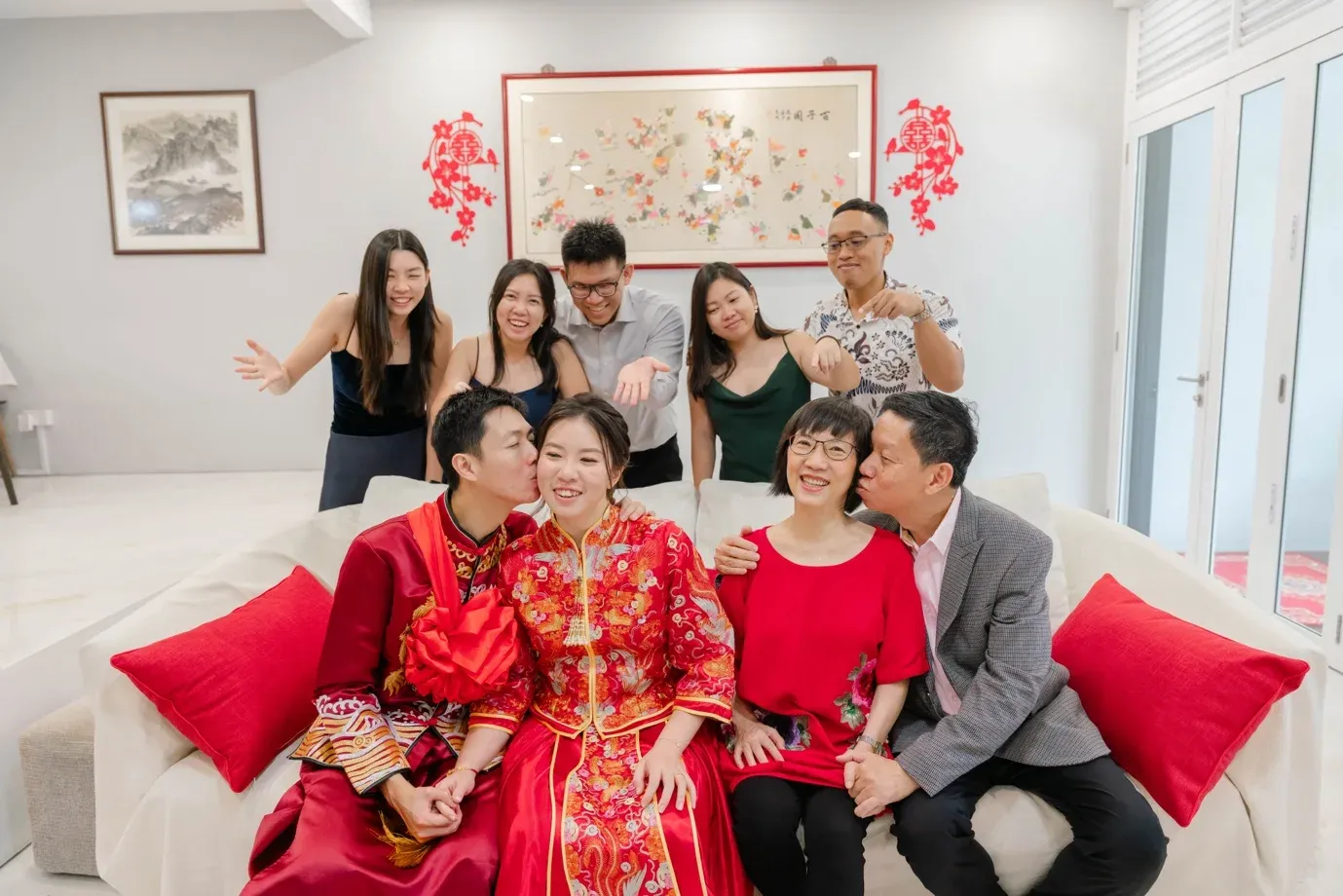
Should your ang bao cover your seat?
It’s a useful reference point — not a law. Weddings aren’t restaurants where guests are required to pay for their meals. If you can comfortably cover your estimated seat, it’s a considerate gesture. But your gift should ultimately be within your means.
A note to wedding guests
Behind every wedding are months — sometimes years — of planning. Whether you’re attending an intimate solemnisation or a grand hotel banquet, the most meaningful thing you can bring is your genuine happiness for the couple.
A photographer’s note. The things people remember most aren’t always the most expensive ones. They’re the people who were there to celebrate with them.
If you are the one planning the banquet rather than attending it, what to budget for photography may be useful too.
Getting married in Singapore yourself? Browse the journal for more planning guides, or Tell me about your plans — I would love to hear them.
More stories
Behind the Lens
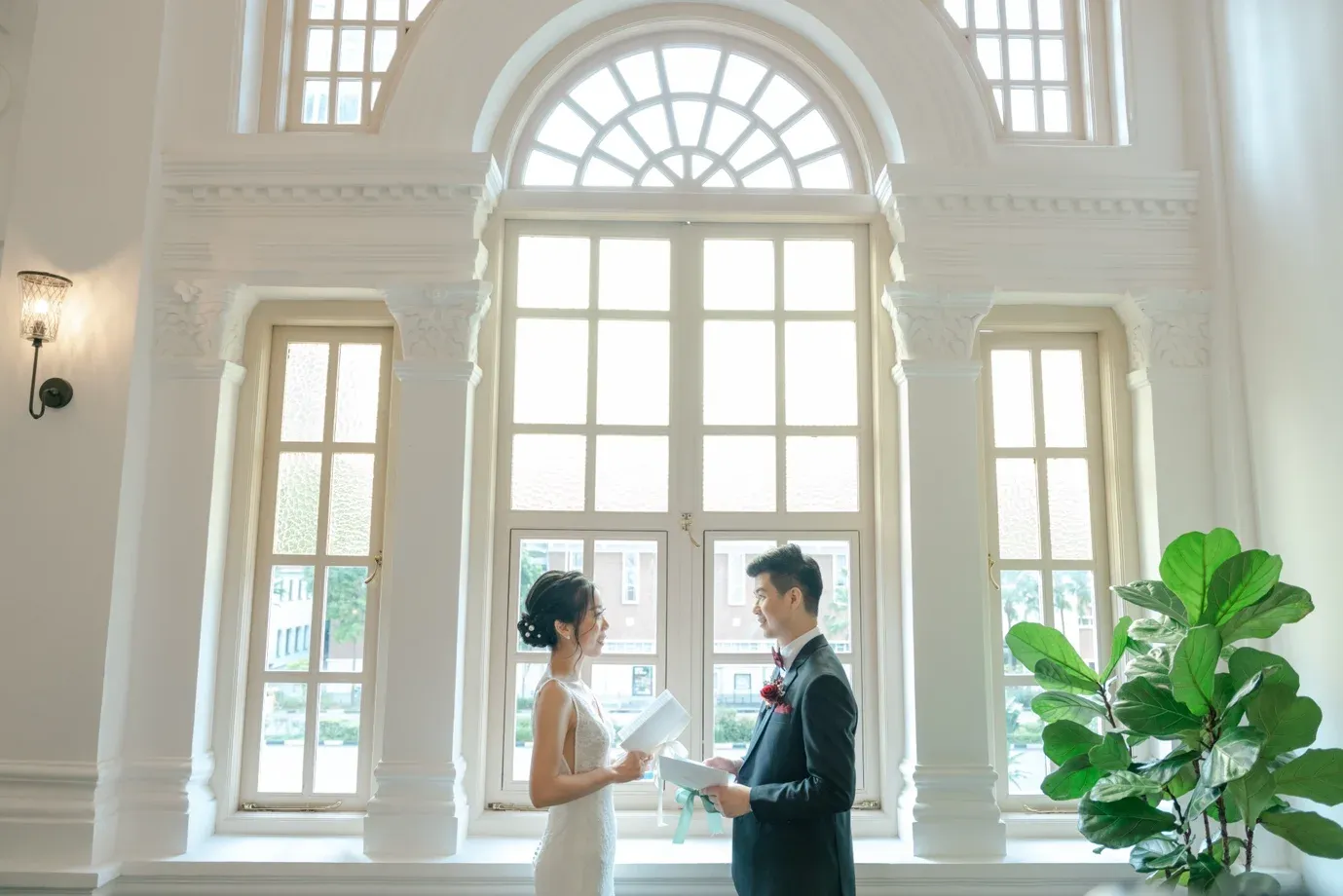
What 15 Years as a Female Wedding Photographer Have Taught Me
Fifteen years of Singapore weddings — why the photographs that last are rarely the arranged ones, and what a female photographer brings to the quietest parts of the day.
Pre-Wedding
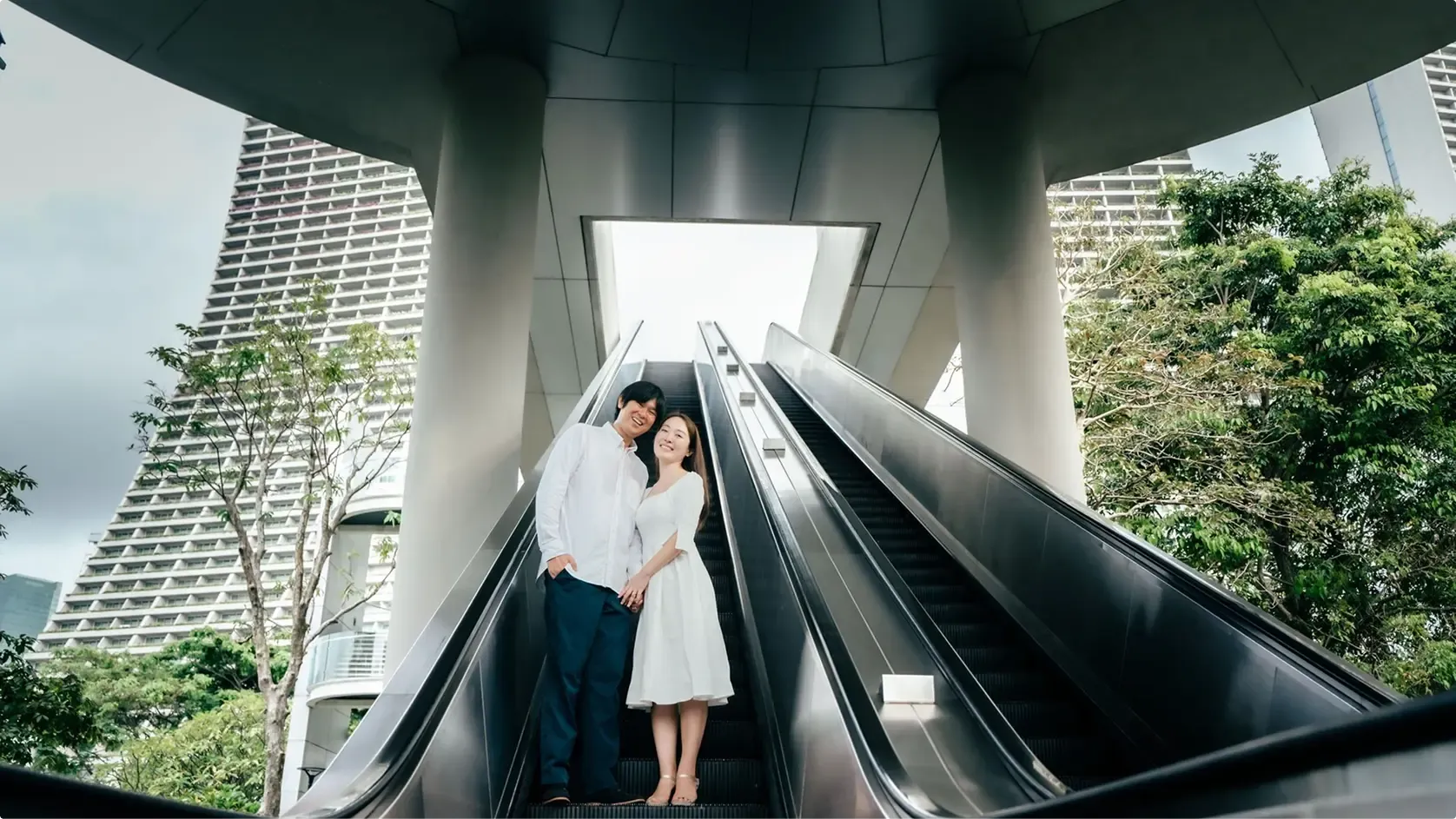
10 Best Wedding Photography Locations in Singapore for Timeless Pre-Wedding Photos
From the Botanic Gardens to a Tiong Bahru side street — ten Singapore locations worth considering for your pre-wedding shoot, and what each one gives your photographs.
Planning Guides
How to Choose a Wedding Photographer in Singapore: 10 Things Every Couple Should Know
Full galleries over Instagram grids, a style you will still want in twenty years, and the questions worth asking before you sign — ten things to weigh up first.